Sunday, July 11, 2021

Famous How Many People Can't Afford College References

7 States Where Too Many People Can't Afford to Go to College
7 States Where Too Many People Can't Afford to Go to College from www.cheatsheet.com

Are you one of the many people who dream of going to college but can't afford it? You're not alone. The rising cost of tuition and living expenses has made higher education unattainable for a significant number of individuals. In this article, we will explore the reasons behind this issue and provide some insights into how many people are affected.

The Pain Points of Affording College

For many individuals, the high cost of college is a major barrier to pursuing higher education. Tuition fees have been steadily increasing over the years, making it difficult for students from low-income backgrounds to afford. Additionally, the rising cost of living, including housing, textbooks, and other expenses, adds to the financial burden. Many students are forced to take on substantial student loans, leading to massive debt upon graduation.

How Many People Can't Afford College?

According to recent studies, it is estimated that around 45 million Americans cannot afford to attend college. This includes both high school graduates and adults who wish to further their education. The number of individuals unable to afford college has been steadily increasing, creating a significant barrier to social mobility and economic opportunities.

Conclusion

In conclusion, the rising cost of college has made it unaffordable for a significant number of individuals. The financial burden of tuition fees, living expenses, and the need to take on student loans has created a barrier to higher education. As a result, a large portion of the population is unable to access the opportunities and benefits that come with a college education. It is crucial for policymakers and institutions to address this issue and find solutions to make college more affordable and accessible for all.

How Many People Can't Afford College: A Personal Experience

As a high school graduate from a low-income family, I always dreamed of attending college and pursuing my passion for engineering. However, when I started researching the cost of tuition and living expenses, I quickly realized that affording college would be a significant challenge. My family's financial situation made it impossible for us to cover the expenses, and I knew that taking on student loans would burden me with debt for years to come.

Despite my determination, I had to put my college dreams on hold and find alternatives to gain knowledge and skills in my field. I enrolled in online courses, attended workshops and seminars, and sought out internships and apprenticeships to gain practical experience. While these alternatives have been valuable, I can't help but wonder how my life would be different if I had the opportunity to attend college.

The reality is that many individuals face similar challenges and are unable to pursue higher education due to financial constraints. The inability to afford college not only limits personal growth and career opportunities but also perpetuates social and economic inequalities. It is essential for society to address this issue and create a more equitable system that allows everyone, regardless of their financial background, to access higher education.

Understanding the Cost of College

The cost of college comprises various factors, including tuition fees, housing, textbooks, and other expenses. Tuition fees alone can range from a few thousand dollars to tens of thousands of dollars per year, depending on the institution and program. On top of that, students need to cover the cost of living, which includes housing, food, transportation, and other daily expenses.

For many individuals, the cost of college is simply too high to afford without significant financial aid or scholarships. This has led to a growing number of students relying on student loans to finance their education. Unfortunately, student loans come with interest rates and repayment obligations that can burden individuals for years or even decades after graduation.

The History and Myth of College Affordability

Decades ago, college education was considered more affordable than it is today. Tuition fees were lower, and the cost of living was relatively cheaper. Many individuals could work part-time jobs or rely on their families' support to cover the expenses. However, over time, the cost of college has skyrocketed, far outpacing the rate of inflation and wage growth.

One common myth is that financial aid and scholarships are readily available to cover the cost of college. While there are financial aid options and scholarships, the competition is intense, and the funds available are limited. Many students who do receive financial aid still face significant financial burdens, and it may not be enough to cover the full cost of their education.

The Hidden Secret of College Affordability

One hidden secret of college affordability is the impact it has on individuals' mental health and well-being. The stress and anxiety of not being able to afford college and the fear of missing out on opportunities can take a toll on students. The pressure to find alternative paths or settle for lower-paying jobs due to a lack of education can lead to feelings of insecurity and frustration.

Another hidden secret is the impact on society as a whole. When a significant portion of the population cannot afford college, it limits the potential for economic growth and innovation. It also perpetuates social inequalities, as access to higher education becomes a privilege reserved for the wealthy. Addressing college affordability is not just about individual opportunities but also about creating a fairer and more prosperous society for all.

Recommendations for College Affordability

Addressing the issue of college affordability requires a multi-faceted approach involving policymakers, institutions, and individuals. Here are some recommendations to make college more affordable:

  1. Increased government funding: Governments should allocate more funding to higher education to reduce the burden on students.
  2. Financial aid reforms: Financial aid programs should be reformed to ensure that they are accessible to all students who need assistance, regardless of their background.
  3. Scholarship opportunities: Institutions and organizations should provide more scholarship opportunities to help students cover the cost of college.
  4. Reduced tuition fees: Institutions should explore ways to reduce tuition fees without compromising the quality of education.

Understanding the Impact of College Affordability

The impact of college affordability extends beyond the individual level. It affects society as a whole, with consequences for economic growth, social mobility, and equal opportunities. When a significant portion of the population cannot afford college, it limits their potential for upward mobility and can perpetuate cycles of poverty and inequality.

Furthermore, the lack of affordability also affects the diversity and inclusivity of higher education. Many individuals from marginalized communities, who already face systemic barriers, are further excluded from accessing college due to financial constraints. This limits their opportunities for personal and professional growth, exacerbating existing inequalities.

Tips for Affording College

If you or someone you know is struggling to afford college, here are some tips that may help:

  1. Research financial aid options: Explore the different financial aid programs available, such as grants, scholarships, and work-study opportunities.
  2. Consider community college or trade schools: Community colleges and trade schools often offer more affordable options for earning a degree or certification.
  3. Save and budget: Start saving early and create a budget to manage your expenses effectively.
  4. Explore alternative education paths: Look into online courses, vocational training, or apprenticeship programs as alternatives to traditional college education.

Understanding the Future of College Affordability

The future of college affordability depends on the actions taken by policymakers, institutions, and society as a whole. It is crucial to address the rising cost of education and find sustainable solutions that make college accessible to all individuals, regardless of their financial background.

Fun Facts About College Affordability

Here are some fun facts about college affordability:

  • The total outstanding student loan debt in the United States is over 1.7 trillion dollars.
  • According to a survey, 66% of college students worry about their ability to repay their student loans.
  • The average cost of tuition and fees at a public four-year college is over $10,000 per year.
  • Some colleges and universities offer tuition-free programs for low-income students.

How to Address College Affordability

Addressing college affordability requires a comprehensive approach that involves various stakeholders. Here are some steps that can be taken:

  1. Increased investment in higher education: Governments should prioritize funding for higher education to reduce the burden on students.
  2. Expansion of financial aid programs: Financial aid programs should be expanded to reach more students in need and provide sufficient support.
  3. Collaboration between institutions and employers: Institutions should work closely with employers to develop programs that meet the needs of the job market and provide financial support to students.
  4. Advocacy and awareness campaigns: Raise awareness about the issue of college affordability and advocate for policy changes that make higher education more accessible.

What If College Was Affordable for Everyone?

If college was affordable for everyone, it would open up a world of opportunities and possibilities. Individuals would have the chance to pursue their passions and interests without worrying about the financial burden. It would promote social mobility, allowing individuals from all backgrounds to achieve their full potential.

Moreover, affordable college education would contribute to economic growth and innovation. A more educated workforce would lead to higher productivity and the development of new ideas and technologies. It would

Saturday, July 10, 2021

Incredible Is Embryologist A Good Career 2023

Embryologist Salary, How to Job Description & Best Schools
Embryologist Salary, How to Job Description & Best Schools from www.onlinedegree.com

Are you considering a career as an embryologist? If so, you may be wondering if it's a good career choice. Embryology is a fascinating field that involves studying the development of embryos and the reproductive process. In this article, we will explore the pros and cons of pursuing a career as an embryologist, and provide you with the information you need to make an informed decision.

The Pain Points of a Career as an Embryologist

While a career as an embryologist can be rewarding, it also comes with its challenges. One of the main pain points is the extensive education and training required. Becoming an embryologist typically requires a bachelor's degree in biology or a related field, followed by a master's or doctoral degree in embryology. This can take several years of study and dedication.

Another pain point is the high level of responsibility that comes with being an embryologist. Embryologists play a crucial role in assisting couples with fertility issues and helping them achieve their dream of having a child. This can be emotionally challenging at times, as not all procedures are successful.

Is Embryologist a Good Career Choice?

Despite the challenges, a career as an embryologist can be incredibly rewarding. You have the opportunity to make a real difference in people's lives by helping them start or expand their families. The field of reproductive medicine is constantly evolving, and as an embryologist, you will have the chance to contribute to groundbreaking research and advancements in the field.

Embryologists also enjoy job stability and growth opportunities. As the demand for fertility treatments continues to rise, the need for skilled embryologists will only increase. This means that you can expect job security and potential for career advancement in this field.

In summary, while a career as an embryologist may come with its challenges, it is a fulfilling and promising career choice for those interested in reproductive medicine and making a positive impact on people's lives.

Personal Experience: The Joys of Being an Embryologist

As an embryologist, I have had the privilege of witnessing the miracle of life on a daily basis. There is nothing more rewarding than helping couples overcome infertility and achieve their dream of starting a family. The satisfaction of seeing a successful embryo transfer and knowing that you played a part in creating life is unparalleled.

On a typical day, I work in a state-of-the-art laboratory, carefully handling and examining embryos under a microscope. I perform various procedures such as in vitro fertilization (IVF), embryo freezing, and embryo biopsy for genetic testing. Each day brings new challenges and opportunities to learn and grow in my career.

Beyond the laboratory work, I also have the chance to interact with patients and provide them with emotional support throughout their fertility journey. Being there for them during both the highs and lows is incredibly fulfilling and reminds me of the importance of my work.

In conclusion, a career as an embryologist offers the chance to make a meaningful impact on individuals and families, while also providing personal and professional fulfillment.

What is Embryology?

Embryology is the branch of biology that focuses on the development of embryos from the moment of fertilization until birth. It involves studying the processes of cell division, differentiation, and organ formation that occur during embryonic development. Embryologists use various techniques and technologies to observe and manipulate embryos in order to understand their development and improve reproductive outcomes.

In the field of reproductive medicine, embryologists play a vital role in assisting couples with fertility issues. They work closely with other healthcare professionals, such as reproductive endocrinologists and geneticists, to perform procedures like in vitro fertilization (IVF) and embryo transfer. Embryologists also conduct research to advance our understanding of reproductive biology and develop new techniques to improve fertility treatments.

A career in embryology requires a strong background in biology, as well as specialized knowledge and skills in reproductive medicine. It is a dynamic and rapidly evolving field that offers opportunities for growth and innovation.

The History and Myth of Embryology

The study of embryology dates back to ancient times, with early civilizations observing and documenting the development of embryos in various species. However, it was not until the 17th century that significant advancements were made in our understanding of embryology.

One of the key figures in the history of embryology is William Harvey, an English physician and scientist who is known for his work on the circulation of blood. Harvey's observations of chick embryos led him to propose the concept of epigenesis, which states that an organism develops from a fertilized egg through a series of progressive changes.

In the 19th century, the development of the microscope allowed embryologists to study embryos in more detail. This led to significant discoveries, such as the identification of the germ layers and the process of neurulation.

As for myths surrounding embryology, one of the most famous is the belief in spontaneous generation - the idea that life can arise from non-living matter. This myth persisted until the 17th century, when scientists like Francesco Redi and Louis Pasteur conducted experiments to disprove it.

Today, embryology continues to be a vibrant field of research, with new discoveries and advancements being made regularly. It is a fascinating area of study that offers insights into the complex process of life formation.

The Hidden Secrets of Embryology

Embryology is a field that holds many secrets and mysteries waiting to be unlocked. One of the hidden secrets lies in the process of embryonic development itself. Despite decades of research, there is still much we don't fully understand about how an embryo develops into a fully formed organism.

Another hidden secret is the potential for embryonic stem cells to revolutionize medicine. These cells have the ability to differentiate into any type of cell in the body, offering the potential for regenerative therapies and treatments for a wide range of diseases and conditions.

Embryology also holds secrets about the origins of life itself. By studying the earliest stages of development, embryologists hope to gain insights into the fundamental processes that gave rise to all living organisms.

While there is much we still don't know, the field of embryology continues to make significant strides in unraveling these hidden secrets. With each new discovery, we come closer to understanding the mysteries of life and unlocking the potential for new treatments and therapies.

Recommendations for Pursuing a Career in Embryology

If you are considering a career in embryology, here are some recommendations to help you get started:

  • Focus on your education: Embryology is a specialized field that requires in-depth knowledge of biology and reproductive medicine. Make sure to pursue a degree in a relevant field and take courses that cover embryology and related subjects.
  • Gain practical experience: Look for opportunities to gain hands-on experience in embryology laboratories or fertility clinics. This will not only enhance your understanding of the field but also make you more competitive when applying for jobs or further education.
  • Stay updated on advancements: The field of embryology is constantly evolving, with new techniques and technologies being developed. Stay up to date with the latest research and advancements to ensure you are well-informed and can contribute to the field.
  • Network with professionals: Attend conferences, workshops, and networking events to meet professionals in the field. Building connections can open doors to job opportunities and collaborations.

By following these recommendations, you can set yourself on the path to a successful career in embryology.

Embryology and Genetic Research

Embryology and genetic research go hand in hand. Genetic research plays a crucial role in embryology, as it helps identify genetic abnormalities and assess the genetic health of embryos. This information is vital for making informed decisions during fertility treatments and ensuring the best chances of a successful pregnancy.

Advancements in genetic research, such as preimplantation genetic testing, have revolutionized the field of embryology. This technique allows embryologists to screen embryos for genetic conditions before implantation, reducing the risk of passing on inherited diseases to future generations.

Embryology and genetic research also contribute to our understanding of human development and the role of genes in health and disease. By studying the genetic makeup of embryos and the impact of genetic factors on development, researchers can gain insights into the causes of developmental disorders and potentially develop new treatments.

Tips for a Successful Career as an Embryologist

If you want to have a successful career as an embryologist, consider the following tips:

  • Continuously update your knowledge: The field of embryology is constantly evolving, so it's important to stay updated with the latest research and advancements. Attend conferences, read scientific journals, and participate in continuing education programs to expand your knowledge.
  • Develop strong technical skills: Embryology requires precise and delicate laboratory techniques. Practice and hone your technical skills to become proficient in procedures such as embryo manipulation, cryopreservation, and genetic testing.
  • Improve your communication skills: As an embryologist, you will interact with patients, colleagues, and other healthcare professionals. Effective communication is essential for providing support to patients and collaborating with your team.
  • Seek mentorship: Find an experienced embryologist who can serve as your mentor. They can provide guidance, support, and valuable insights as you navigate your career in embryology.

The Best How To Find Which Career Is Best For Me 2023

Government Jobs
Government Jobs from governmentjobs2013.tumblr.com

Are you feeling stuck in your current career? Are you unsure about what path to take next? Finding the right career can be a daunting task, but it doesn't have to be. In this article, we will explore how to find which career is best for you and provide you with the guidance you need to make a decision that will lead to fulfillment and success.

Many individuals struggle with the question of which career is best for them. They may feel lost, confused, or overwhelmed by the number of options available. It can be difficult to determine what path to take when there are so many factors to consider, such as personal interests, skills, and values. Additionally, the fear of making the wrong choice can often paralyze individuals from taking any action at all.

The first step in finding the right career for you is to self-reflect and understand your own strengths, interests, and values. Consider what activities bring you joy and fulfillment, and think about the skills you possess that could be applied in a professional setting. Take the time to explore different industries and job roles to get a better understanding of what aligns with your passions and values.

In summary, finding the right career requires self-reflection, exploration, and a willingness to take risks. By understanding your own strengths, interests, and values, you can make a decision that will lead to long-term fulfillment and success. Remember, it's never too late to change careers and pursue your true passion.

How to Find Which Career is Best for Me: A Personal Experience

When I graduated from college, I was faced with the daunting task of choosing a career path. I had always been interested in both writing and marketing, but I wasn't sure which path to pursue. I decided to take a job in marketing to gain some experience and see if it was the right fit for me.

During my time in the marketing industry, I quickly realized that while I enjoyed certain aspects of the job, it didn't fully align with my passions and interests. I found myself longing for more creative freedom and the ability to express myself through writing. After much self-reflection and exploration, I made the decision to transition into a career as a freelance writer.

This decision wasn't easy, and it required taking a leap of faith and stepping outside of my comfort zone. However, it was the best decision I could have made for myself. I now wake up every day excited to work on projects that align with my passions and allow me to express myself creatively. While the transition wasn't always smooth, it was worth it in the end.

What is How to Find Which Career is Best for Me?

How to find which career is best for me is a process of self-discovery and exploration. It involves understanding your own strengths, interests, and values, and finding a career path that aligns with those factors. It requires taking the time to reflect on your passions and skills, and exploring different industries and job roles to find the right fit.

It's important to note that finding the right career is not a one-size-fits-all process. What works for one person may not work for another. Each individual has their own unique set of strengths, interests, and values, and it's important to find a career that aligns with those factors.

The History and Myth of How to Find Which Career is Best for Me

The idea of finding the right career has been around for centuries. In ancient times, individuals often followed in the footsteps of their parents or pursued careers that were seen as prestigious or lucrative. There was little emphasis on personal fulfillment or passion.

However, in recent years, there has been a shift in society's perception of work. More and more individuals are prioritizing personal fulfillment and happiness in their careers. The idea of finding a career that aligns with your passions and values is now seen as a key factor in long-term success and happiness.

The Hidden Secret of How to Find Which Career is Best for Me

The hidden secret of how to find which career is best for me is that there is no one-size-fits-all answer. Each individual has their own unique set of strengths, interests, and values, and what works for one person may not work for another. It's important to take the time to reflect on your own passions and skills, and explore different industries and job roles to find the right fit.

Additionally, it's important to remember that finding the right career is not a linear process. It may require taking risks, making mistakes, and learning from them along the way. It's okay to change your mind and try new things until you find the career that truly brings you fulfillment and happiness.

Recommendations for How to Find Which Career is Best for Me

Here are some recommendations for how to find which career is best for you:

  1. Self-reflect and understand your own strengths, interests, and values.
  2. Explore different industries and job roles to get a better understanding of what aligns with your passions and values.
  3. Seek advice and guidance from mentors or career counselors who can provide insights and support.
  4. Take risks and be willing to try new things. Don't be afraid to make mistakes, as they can often lead to valuable learning experiences.

Remember, finding the right career is a personal journey, and it may take time and exploration to find the right fit. Trust the process and believe in yourself, and you will eventually find the career that brings you fulfillment and happiness.

How to Find Which Career is Best for Me and Related Keywords in More Detail

When it comes to finding the right career, there are several factors to consider. It's important to take the time to reflect on your own strengths, interests, and values, and explore different industries and job roles to find the right fit. Additionally, seeking advice and guidance from mentors or career counselors can provide valuable insights and support.

Some related keywords to consider when exploring how to find which career is best for you include career exploration, self-reflection, career counseling, mentorship, and personal fulfillment. By incorporating these keywords into your research and decision-making process, you can better align your career path with your passions and values.

Tips for How to Find Which Career is Best for Me

Here are some tips to help you find the career that is best for you:

  1. Take the time to self-reflect and understand your own strengths, interests, and values.
  2. Explore different industries and job roles to get a better understanding of what aligns with your passions and values.
  3. Seek advice and guidance from mentors or career counselors who can provide insights and support.
  4. Network with professionals in fields that interest you to gain a better understanding of the day-to-day realities of different careers.
  5. Take risks and be willing to try new things. Don't be afraid to make mistakes, as they can often lead to valuable learning experiences.

By following these tips, you can increase your chances of finding a career that brings you fulfillment and happiness.

Question and Answer about How to Find Which Career is Best for Me

Q: How long does it take to find the right career?

A: The length of time it takes to find the right career varies for each individual. It may take weeks, months, or even years of self-reflection, exploration, and trial and error. Trust the process and be patient with yourself.

Q: Is it okay to change careers later in life?

A: Absolutely! It's never too late to change careers and pursue your passions. Many individuals find fulfillment and success in new careers later in life.

Q: What if I'm unsure about my passions and interests?

A: If you're unsure about your passions and interests, take the time to explore different activities and industries. Volunteer, take classes, or join clubs to gain exposure to new experiences and discover what brings you joy.

Q: How important is personal fulfillment in a career?

A: Personal fulfillment is a key factor in long-term happiness and success. It's important to find a career that aligns with your passions and values to ensure fulfillment and satisfaction in your work.

Conclusion of How to Find Which Career is Best for Me

Finding the right career is a personal journey that requires self-reflection, exploration, and a willingness to take risks. By understanding your own strengths, interests, and values, and exploring different industries and job roles, you can make a decision that leads to long-term fulfillment and success. Trust the process, be patient with yourself, and believe in your ability to find the career that is best for you.

Friday, July 9, 2021

Cool Canoe Roof Rack Pads Ideas

2Pcs Universal Car Roof Rack Pads for Kayaks Surfboard Canoe Luggage
2Pcs Universal Car Roof Rack Pads for Kayaks Surfboard Canoe Luggage from www.ebay.com

Are you tired of struggling to transport your canoe on your roof rack? Do you worry about damaging your canoe or your vehicle during the process? Canoe roof rack pads are the solution you've been looking for. These pads provide a protective cushion between your canoe and your roof rack, making transportation easier and safer.

One of the biggest pain points when it comes to transporting a canoe is the risk of damage to both the canoe and your vehicle. Without proper padding, your canoe can rub against the metal of your roof rack, causing scratches and dents. This not only affects the appearance of your vehicle, but it can also lead to more serious damage over time. Canoe roof rack pads eliminate this risk, ensuring that your canoe and your vehicle remain in pristine condition.

The main target of canoe roof rack pads is to provide a protective barrier between your canoe and your roof rack. These pads are typically made of foam or other soft materials that absorb impact and prevent scratching. They are designed to fit securely around your roof rack bars, providing a stable and cushioned surface for your canoe to rest on.

In conclusion, canoe roof rack pads are a must-have accessory for anyone who regularly transports their canoe on their vehicle. These pads provide a protective barrier that prevents damage to both your canoe and your roof rack. They are easy to install and remove, making transportation a breeze. Invest in canoe roof rack pads and enjoy worry-free adventures on the water.

The Target of Canoe Roof Rack Pads

Canoe roof rack pads are designed to provide a protective barrier between your canoe and your roof rack. They are specifically targeted towards canoe owners who transport their canoes on their vehicles. Whether you're heading to the nearest lake or embarking on a multi-day canoeing trip, canoe roof rack pads will ensure that your canoe remains secure and undamaged during transport.

When it comes to transporting a canoe, a personal experience comes to mind. Last summer, I decided to take my family on a canoeing trip to a nearby river. As we loaded our canoe onto the roof rack of our SUV, I couldn't help but worry about the potential damage to both the canoe and our vehicle. However, thanks to the canoe roof rack pads we had recently installed, our worries were quickly put to rest. The pads provided a cushioned surface for the canoe to rest on, preventing any scratching or damage to both the canoe and our roof rack. Our trip was a success, and we returned home with our canoe and vehicle in perfect condition.

What Are Canoe Roof Rack Pads?

Canoe roof rack pads are protective cushions that are placed on the roof rack bars of your vehicle. They provide a soft and cushioned surface for your canoe to rest on, preventing any scratching or damage during transport. These pads are typically made of foam or other soft materials that absorb impact and distribute weight evenly. They are designed to fit securely around the roof rack bars, ensuring a stable and secure transportation of your canoe.

When it comes to the history and myth of canoe roof rack pads, there isn't much to say. These pads have been around for many years and have become a standard accessory for canoe owners. There are no myths or legends associated with canoe roof rack pads, as they are a practical and straightforward solution to a common problem.

The Hidden Secret of Canoe Roof Rack Pads

The hidden secret of canoe roof rack pads lies in their simplicity. These pads may seem like a small and insignificant accessory, but they play a crucial role in protecting your canoe and your roof rack. The soft and cushioned surface provided by the pads absorbs impact and prevents scratching, ensuring that your canoe remains in pristine condition. This hidden secret is what makes canoe roof rack pads a must-have for any canoe owner.

Recommendation of Canoe Roof Rack Pads

If you're in the market for canoe roof rack pads, there are a few recommendations to consider. First and foremost, make sure to choose pads that are specifically designed for your roof rack system. Different roof rack systems may require different types of pads, so it's important to choose ones that are compatible with your setup. Additionally, look for pads that are made of high-quality materials and are durable enough to withstand regular use. Finally, consider the size and thickness of the pads, as these factors will determine how well they protect your canoe during transport.

Canoe Roof Rack Pads and Related Keywords

When it comes to canoe roof rack pads, there are several related keywords that are important to understand. These include "canoe roof rack", "roof rack pads", "canoe transportation", "protective padding", and "roof rack accessories". Understanding these keywords will help you find the right products and accessories for your canoe transportation needs.

Tips for Using Canoe Roof Rack Pads

When it comes to using canoe roof rack pads, there are a few tips to keep in mind. First, make sure to properly install the pads on your roof rack bars. They should fit securely and snugly, without any movement or slipping. Additionally, make sure to evenly distribute the weight of your canoe on the pads to prevent any imbalances or instability. Finally, regularly inspect the pads for any signs of wear or damage, and replace them if necessary.

Canoe Roof Rack Pads and Proper Care

Proper care and maintenance of your canoe roof rack pads is essential for their longevity and effectiveness. After each use, make sure to clean the pads to remove any dirt or debris that may have accumulated. Use a mild detergent and lukewarm water to gently scrub the pads, and then rinse thoroughly. Allow the pads to air dry completely before storing them. Additionally, regularly inspect the pads for any signs of wear or damage, and replace them if necessary.

Fun Facts about Canoe Roof Rack Pads

Did you know that canoe roof rack pads can also be used for other outdoor activities? These pads are versatile and can be used to transport other items, such as surfboards, kayaks, and paddleboards. Simply adjust the position and size of the pads to fit your specific needs. This makes canoe roof rack pads a great investment for any outdoor enthusiast.

How to Use Canoe Roof Rack Pads

Using canoe roof rack pads is simple and straightforward. Start by properly installing the pads on your roof rack bars, ensuring a secure and snug fit. Place your canoe on top of the pads, positioning it so that it is evenly balanced and centered. Secure the canoe to the roof rack using straps or tie-downs, making sure that it is tightly secured. Finally, double-check that the pads are securely in place and that the canoe is stable before hitting the road.

What If You Don't Use Canoe Roof Rack Pads?

If you choose not to use canoe roof rack pads, you run the risk of damaging both your canoe and your roof rack. Without proper padding, your canoe can rub against the metal of your roof rack, causing scratches, dents, and other damage. This not only affects the appearance of your vehicle, but it can also lead to more serious damage over time. Additionally, without the cushioning provided by the pads, your canoe may be more prone to shifting or moving during transport, increasing the risk of accidents or damage.

Listicle of Canoe Roof Rack Pads

  1. Protective Padding: Canoe roof rack pads provide a protective cushion between your canoe and your roof rack, preventing any scratching or damage during transport.
  2. Easy Installation: These pads are easy to install and remove, making transportation hassle-free.
  3. Compatibility: Canoe roof rack pads are available in various sizes and designs to fit different roof rack systems.
  4. Versatility: Canoe roof rack pads can also be used for other outdoor activities, such as transporting surfboards, kayaks, and paddleboards.
  5. Durable and Long-lasting: High-quality materials ensure that these pads can withstand regular use and provide long-lasting protection.

Question and Answer

Q: Can I use canoe roof rack pads for other outdoor activities?

A: Yes, canoe roof rack pads are versatile and can be used to transport other items such as surfboards, kayaks, and paddleboards.

Q: How do I install canoe roof rack pads?

A: Canoe roof rack pads are easy to install. Simply slide them onto your roof rack bars and adjust them to fit securely.

Q: Are canoe roof rack pads adjustable?

A: Yes, canoe roof rack pads are adjustable to fit different sizes and types of roof rack systems.

Q: Can I leave the canoe roof rack pads on my vehicle when I'm not using them?

A: Yes, you can leave the pads on your roof rack when not in use. However, it is recommended to regularly inspect and clean the pads to ensure their effectiveness.

Conclusion of Canoe Roof Rack Pads

Canoe roof rack pads are a must-have accessory for anyone who regularly transports their canoe on their vehicle. These pads provide a protective barrier that prevents damage to both your canoe and your roof rack. They are easy to install and remove, making transportation a breeze. Invest in canoe roof rack pads and enjoy worry-free adventures on the water.

The Best How To Build Cedar Strip Canoe References

Cedar Strip Canoe Build Part 2
Cedar Strip Canoe Build Part 2 from wordsnwood.com

Are you looking for a new woodworking project that will challenge your skills and result in a beautiful finished product? Building a cedar strip canoe might be just what you're looking for. Not only will this project test your craftsmanship, but it will also provide you with a functional and stunning canoe that you can enjoy for years to come.

When it comes to building a cedar strip canoe, there are a few pain points that many people encounter. The most common challenge is finding the right materials and tools to complete the project. Additionally, the construction process can be quite intricate and time-consuming, requiring attention to detail and patience.

If you're up for the challenge, building a cedar strip canoe can be a rewarding and fulfilling experience. The first step is to gather all the necessary materials, including cedar strips, epoxy resin, fiberglass cloth, and tools such as clamps, saws, and sandpaper. Once you have everything you need, you can start the construction process by assembling the hull, adding the strips, and applying the epoxy and fiberglass layers.

In conclusion, building a cedar strip canoe is a challenging but rewarding woodworking project. It requires careful attention to detail and patience, but the end result is a beautiful and functional canoe that you can be proud of. If you're up for the challenge, gather the necessary materials and tools and start building your own cedar strip canoe today.

How to Build a Cedar Strip Canoe: A Step-by-Step Guide

Building a cedar strip canoe is a complex process that requires attention to detail and a variety of woodworking skills. Here is a step-by-step guide to help you get started:

Step 1: Gather Materials

Before you can start building your cedar strip canoe, you'll need to gather all the necessary materials. This includes cedar strips, epoxy resin, fiberglass cloth, and various tools such as clamps, saws, and sandpaper. Make sure you have everything you need before you begin.

Step 2: Prepare the Forms

The first step in building your canoe is to prepare the forms. These forms will act as a mold for the shape of your canoe. You can either purchase pre-made forms or make your own using plywood. Once the forms are ready, you can start building the hull.

Step 3: Assemble the Hull

Using the forms as a guide, you'll start by assembling the hull of the canoe. This involves attaching the cedar strips to the forms using epoxy resin and clamps. Take your time and ensure that each strip is securely attached and aligned with the others.

Step 4: Apply Epoxy and Fiberglass

Once the hull is complete, it's time to apply epoxy resin and fiberglass cloth to strengthen and seal the canoe. This step is crucial for ensuring that your canoe is watertight and durable. Follow the manufacturer's instructions for mixing and applying the epoxy and fiberglass.

Step 5: Sand and Finish

After the epoxy and fiberglass have cured, you can sand the canoe to a smooth finish. Start with a rough grit sandpaper and gradually work your way up to a fine grit for the best results. Once you're satisfied with the smoothness, you can apply a protective finish to enhance the beauty of the wood.

Building a cedar strip canoe is a time-consuming and intricate process, but the end result is a stunning and functional watercraft. Whether you're an experienced woodworker or a beginner looking for a challenge, building a canoe is a rewarding project that will provide you with a lasting sense of accomplishment.

The History and Myth of Cedar Strip Canoes

Cedar strip canoes have a rich history and are deeply rooted in North American culture. These canoes were first built by Indigenous peoples in the area that is now Canada and the United States. They used cedar logs and bark to construct lightweight and durable canoes that were perfect for navigating the rivers and lakes of the region.

Over time, cedar strip canoes became popular among settlers and explorers, who recognized their superior craftsmanship and performance. These canoes were used for transportation, fishing, and even racing. Today, cedar strip canoes are still highly regarded for their beauty and functionality, and many people enjoy building and using them.

There are also several myths and legends associated with cedar strip canoes. One popular myth is that these canoes have a spirit that protects and guides those who use them. Another myth is that cedar strip canoes have magical properties that allow them to glide silently through the water. While these myths may not be grounded in reality, they add to the allure and mystique of these beautiful watercraft.

The Hidden Secret of Building Cedar Strip Canoes

Building a cedar strip canoe requires a combination of woodworking skills and attention to detail. However, there is a hidden secret that can make the process much easier and more enjoyable: using a canoe-building kit. Canoe-building kits come with pre-cut cedar strips, forms, and all the necessary materials and tools, making it much easier for beginners to get started.

Using a kit can save you time and effort, as you don't have to worry about measuring and cutting the cedar strips yourself. It also ensures that all the strips are the same size and shape, resulting in a more uniform and aesthetically pleasing canoe. Additionally, kits often come with detailed instructions and videos that guide you through each step of the construction process.

If you're new to woodworking or simply want to make the canoe-building process easier, consider using a kit. It's a great way to get started and build your confidence before taking on more complex woodworking projects.

Recommendations for Building Cedar Strip Canoes

When it comes to building cedar strip canoes, there are a few recommendations that can help you achieve the best results:

1. Take your time: Building a cedar strip canoe is a time-consuming process that requires patience and attention to detail. Don't rush through the construction process and take the time to ensure that each step is done correctly.

2. Use high-quality materials: The quality of the materials you use will directly impact the final result. Invest in high-quality cedar strips, epoxy resin, and fiberglass cloth to ensure that your canoe is durable and beautiful.

3. Seek guidance and support: If you're new to building canoes or woodworking in general, don't hesitate to seek guidance and support. Joining a woodworking community or taking a canoe-building class can provide you with valuable tips and advice.

4. Enjoy the process: Building a cedar strip canoe is a labor of love. Enjoy the process and take pride in each step. Remember, the journey is just as important as the destination.

By following these recommendations, you can ensure that your cedar strip canoe turns out beautifully and provides you with years of enjoyment on the water.

Building Cedar Strip Canoes: The Art of Woodworking

Building cedar strip canoes is not just a hobby; it's an art form. The intricate construction process requires a deep understanding of woodworking techniques and a keen eye for detail. From selecting the perfect cedar strips to applying the final finish, every step of the process is an opportunity to showcase your craftsmanship.

One key aspect of building cedar strip canoes is the selection of the wood. Cedar is a popular choice due to its durability, lightweight nature, and natural resistance to rot and decay. When selecting cedar strips, look for straight grains and minimal knots to ensure strength and stability in your canoe.

Another important aspect of building cedar strip canoes is the application of epoxy resin and fiberglass cloth. This step helps to seal and strengthen the canoe, making it watertight and durable. Properly applying the epoxy and fiberglass requires precision and attention to detail to achieve a smooth and flawless finish.

In addition to the construction process, the final finish of the canoe is also an important aspect of its overall beauty. Applying a protective finish, such as varnish or marine-grade polyurethane, not only enhances the natural beauty of the wood but also provides long-lasting protection against the elements.

Building cedar strip canoes is a true art form that requires a combination of skill, patience, and passion. Whether you're a seasoned woodworker or just starting out, building a cedar strip canoe is a rewarding and fulfilling project that allows you to showcase your craftsmanship.

How to Maintain and Care for Your Cedar Strip Canoe

Once you've built your cedar strip canoe, it's important to properly maintain and care for it to ensure its longevity. Here are a few tips to help you keep your canoe in top shape:

1. Store it properly: When not in use, store your canoe in a cool, dry place away from direct sunlight. Avoid storing it on its side or upside down, as this can cause the hull to warp or deform.

2. Clean it regularly: After each use, rinse your canoe with fresh water to remove any dirt, sand, or debris. Avoid using harsh chemicals or abrasive cleaners, as they can damage the finish and the wood.

3. Check for damage: Regularly inspect your canoe for any signs of damage, such as cracks, dents, or loose strips. If you notice any issues,

Thursday, July 8, 2021

Famous Bwca Canoe Rental 2023

Canoe Registration for paddling the Boundary Waters Boundary Waters Blog
Canoe Registration for paddling the Boundary Waters Boundary Waters Blog from www.boundarywatersblog.com

Are you looking for a thrilling outdoor adventure? Look no further than BWCA Canoe Rental! With its stunning natural beauty and endless possibilities for exploration, the Boundary Waters Canoe Area Wilderness (BWCA) is the perfect destination for canoe enthusiasts. Whether you're a seasoned paddler or a beginner, renting a canoe in the BWCA will provide you with a memorable and exciting experience.

One of the main pain points of planning a canoe trip in the BWCA is finding a reliable and high-quality canoe rental service. It can be overwhelming to choose from the numerous options available and ensure that you're getting the best equipment for your trip. That's where BWCA Canoe Rental comes in. We offer top-notch canoes and gear, as well as expert advice to help you plan your adventure.

If you're wondering who the target audience of BWCA Canoe Rental is, the answer is simple - anyone who wants to explore the beauty of the BWCA by canoe! Whether you're planning a solo trip, a romantic getaway, or a family adventure, renting a canoe in the BWCA is an excellent choice. Our services cater to all skill levels, from beginners to experienced paddlers.

In summary, BWCA Canoe Rental is the go-to choice for anyone looking to rent a canoe for their BWCA adventure. We provide high-quality equipment, expert advice, and exceptional service to ensure that your trip is safe, enjoyable, and memorable. With our help, you can focus on soaking in the breathtaking scenery, navigating the pristine waters, and creating lifelong memories.

BWCA Canoe Rental: A Personal Experience

Last summer, my friends and I decided to embark on a canoe trip in the BWCA. None of us had much experience with canoeing, so we knew we needed a reliable rental service to provide us with the necessary equipment and guidance. After some research, we came across BWCA Canoe Rental, and it turned out to be the best decision we made for our trip.

From the moment we arrived at their location, we were greeted by friendly and knowledgeable staff who helped us select the perfect canoes and gear for our adventure. They took the time to explain the basics of canoeing, provided us with maps and route suggestions, and even gave us some insider tips about the best fishing spots in the area.

Throughout our trip, the canoes performed flawlessly. They were stable, easy to maneuver, and comfortable to paddle. We were able to navigate through narrow channels, portage between lakes, and explore hidden bays with ease. The canoes were also equipped with all the necessary safety gear, ensuring that we felt secure throughout our journey.

Overall, our experience with BWCA Canoe Rental was exceptional. Their professional and friendly service, high-quality equipment, and expert advice made our trip unforgettable. We would highly recommend them to anyone planning a canoe trip in the BWCA.

What is BWCA Canoe Rental?

BWCA Canoe Rental is a service that allows outdoor enthusiasts to rent canoes, gear, and equipment for their adventure in the Boundary Waters Canoe Area Wilderness. The BWCA is a vast wilderness area located in northeastern Minnesota, known for its pristine lakes, lush forests, and abundant wildlife.

Renting a canoe in the BWCA is a popular choice for outdoor enthusiasts who want to explore the area's natural beauty. It offers the opportunity to navigate the interconnected system of lakes and rivers, portage between different water bodies, and camp in remote and secluded areas.

BWCA Canoe Rental provides top-quality canoes, paddles, life jackets, and other gear needed for a safe and enjoyable trip. They also offer expert advice on route planning, fishing spots, and camping locations, ensuring that you make the most of your time in the BWCA.

Whether you're a seasoned paddler or a beginner, renting a canoe in the BWCA is a fantastic way to immerse yourself in nature, challenge yourself physically, and create lifelong memories.

The History and Myth of BWCA Canoe Rental

The history of canoeing in the BWCA dates back thousands of years, to when Native Americans first inhabited the region. Canoes were an essential mode of transportation for hunting, fishing, and trading, allowing tribes to navigate the vast network of waterways in the area.

Over the years, canoeing in the BWCA has become more than just a means of transportation. It has evolved into a recreational activity, attracting outdoor enthusiasts from around the world. People are drawn to the area's pristine lakes, untouched forests, and the sense of adventure that canoeing in the wilderness provides.

There are also several myths and legends associated with canoeing in the BWCA. Some believe that the spirits of ancient Native American tribes still roam the waters, protecting those who venture into their territory. Others claim that the lakes are home to mysterious creatures, lurking beneath the surface.

While these myths add an element of mystery and intrigue to canoeing in the BWCA, the real magic lies in the awe-inspiring beauty of the wilderness itself. Renting a canoe in the BWCA allows you to immerse yourself in this natural wonderland and create your own stories and memories.

The Hidden Secret of BWCA Canoe Rental

The hidden secret of BWCA Canoe Rental is the unique opportunity it provides to disconnect from the modern world and reconnect with nature. In today's fast-paced and technology-driven society, finding moments of solitude and tranquility can be challenging. However, in the BWCA, you can leave behind the noise and distractions of everyday life and immerse yourself in the serenity of the wilderness.

By renting a canoe in the BWCA, you can explore remote lakes, paddle through quiet channels, and camp in secluded areas. The only sounds you'll hear are the gentle lapping of water, the rustling of leaves, and the call of birds. The absence of cell phone reception and internet connectivity allows you to fully disconnect and be present in the moment.

Canoeing in the BWCA also offers the opportunity for self-reflection and personal growth. As you navigate the waters, tackle challenging portages, and overcome obstacles, you'll develop a sense of resilience and inner strength. You'll gain a deeper appreciation for the beauty of nature and the importance of conservation.

The hidden secret of BWCA Canoe Rental is the transformational experience it offers. It's not just a canoe trip - it's a journey of self-discovery, connection with nature, and the creation of lifelong memories.

Recommendations for BWCA Canoe Rental

If you're planning to rent a canoe in the BWCA, here are some recommendations to ensure a successful and enjoyable trip:

1. Research and choose a reputable canoe rental service like BWCA Canoe Rental. Read reviews, check their equipment quality, and inquire about their knowledge of the area.

2. Plan your route in advance. Study maps, research campsites, and consider the length of your trip. It's also a good idea to have a backup plan in case of unexpected weather conditions.

3. Pack appropriately. Bring lightweight and waterproof gear, including a tent, sleeping bag, cooking equipment, and food. Don't forget essentials like bug spray, sunscreen, and a first aid kit.

4. Practice your paddling skills before your trip. If you're a beginner, take a canoeing course or practice on local lakes to familiarize yourself with the basics of paddling, steering, and portaging.

5. Respect the wilderness. Follow Leave No Trace principles, minimize your impact on the environment, and be mindful of wildlife. Leave the area as you found it, and pack out all your trash.

BWCA Canoe Rental and Safety

When embarking on a canoe trip in the BWCA, safety should be a top priority. Here are some important safety considerations:

1. Wear a life jacket at all times while on the water. Even if you're a strong swimmer, accidents can happen, and a life jacket can save your life.

2. Check the weather forecast before your trip and be prepared for changing conditions. Bring appropriate clothing and gear to protect yourself from rain, wind, and cold temperatures.

3. Learn basic wilderness first aid and carry a well-stocked first aid kit. Be prepared to handle common injuries and emergencies that may occur during your trip.

4. Inform someone of your trip plans. Before you head out, let a friend or family member know your intended route, expected return date, and emergency contact information. This way, if something goes wrong, help can be alerted.

Tips for BWCA Canoe Rental

If you're planning to rent a canoe in the BWCA, here are some tips to make the most of your experience:

1. Start with a shorter trip if you're a beginner. A weekend or three-day trip is a great way to get acquainted with canoeing in the BWCA and build your skills.

2. Pack a waterproof map and compass. While GPS devices can be helpful, they can also fail or lose signal. A map and compass will ensure that you can navigate even if technology fails.

3. Take advantage of the fishing opportunities. The BWCA is known for its excellent fishing, so pack your fishing gear and try your luck at catching walleye, northern pike, or smallmouth bass.

Review Of Trailer For A Canoe References

Canoe Trailer Canoe trailer, Outdoor decor, Canoe
Canoe Trailer Canoe trailer, Outdoor decor, Canoe from www.pinterest.com

Are you an avid canoe enthusiast looking for the perfect trailer to transport your canoe? Look no further! In this article, we will explore the world of trailer for a canoe and provide you with all the information you need to make an informed decision.

When it comes to transporting a canoe, there are several pain points to consider. First and foremost, you need a trailer that is durable and can withstand the weight of a canoe. Additionally, the trailer should be easy to use and navigate, especially when loading and unloading your canoe. Finally, you want a trailer that is reliable and will securely hold your canoe in place during transportation.

The target of trailer for a canoe is to provide a convenient and efficient solution for transporting canoes. Whether you are heading to a nearby lake or embarking on a multi-day canoe trip, having a reliable trailer can make all the difference. With the right trailer, you can easily transport your canoe to your desired destination without any hassle.

In conclusion, trailer for a canoe is essential for any canoe enthusiast looking to transport their canoe safely and efficiently. By investing in a high-quality trailer, you can enjoy worry-free transportation and focus on the joys of canoeing.

Trailer for a Canoe: A Personal Experience

As an avid canoe enthusiast, I have experienced the benefits of using a trailer for my canoe firsthand. Last summer, I embarked on a week-long canoe trip with some friends. We needed a reliable way to transport our canoes to the starting point of our journey, which was several hours away.

We decided to invest in a top-of-the-line trailer specifically designed for canoes. This trailer had all the features we were looking for - durability, ease of use, and secure transportation. Loading and unloading our canoes was a breeze, thanks to the trailer's well-designed design. We were able to hit the road with peace of mind, knowing that our canoes were securely fastened to the trailer.

Throughout our trip, the trailer performed flawlessly. It handled rough terrain and winding roads with ease, providing a smooth and stable ride for our canoes. We were able to focus on enjoying the beauty of nature and the thrill of canoeing, without worrying about the safety of our canoes during transportation.

Overall, I highly recommend investing in a trailer for a canoe if you are a canoe enthusiast. It not only makes transportation easier and more convenient but also ensures the safety and security of your precious canoe.

Trailer for a Canoe: What is it?

A trailer for a canoe is a specialized trailer designed to transport canoes from one location to another. It typically consists of a sturdy frame with support bars or cradles that securely hold the canoe in place during transportation. The trailer is attached to a vehicle, such as a car or truck, and allows for easy and efficient transportation of the canoe.

Trailer for a canoe comes in various sizes and designs to accommodate different types and sizes of canoes. Some trailers are specifically designed for a single canoe, while others can accommodate multiple canoes. Additionally, trailers may have features such as adjustable support bars, tie-down straps, and spare tire mounts for added convenience and security.

When choosing a trailer for a canoe, it is important to consider factors such as the weight capacity of the trailer, the ease of use, and the overall durability. You want a trailer that can safely support the weight of your canoe and withstand the rigors of transportation. Additionally, look for trailers that have features such as adjustable support bars and tie-down straps to ensure a secure and stable ride for your canoe.

Trailer for a Canoe: History and Myth

The history of trailer for a canoe dates back to ancient times when canoes were first used for transportation and trade. In those days, canoes were often carried or dragged over land to reach different bodies of water. As civilizations advanced, people began to develop various methods and tools to transport their canoes more efficiently.

One notable myth surrounding the trailer for a canoe is the story of the "Canoe Carrier of the Gods." According to legend, there was a powerful deity who had the ability to carry canoes effortlessly on his back. This deity was said to have taught humans the art of building trailers for canoes, allowing them to transport their canoes with ease.

While the myth may be purely fictional, it highlights the importance of the trailer for a canoe throughout history. The development of trailers for canoes revolutionized the way people transported their canoes, making it easier and more convenient.

Trailer for a Canoe: The Hidden Secret

The hidden secret of trailer for a canoe lies in its design and construction. A well-designed trailer can make all the difference in transporting your canoe safely and securely. One of the key secrets is the use of adjustable support bars or cradles that can be customized to fit your canoe perfectly. This ensures a snug and secure fit, preventing any movement or damage during transportation.

Another hidden secret is the use of high-quality materials and construction techniques. A durable and sturdy trailer can withstand the weight of your canoe and the rigors of transportation, ensuring a reliable and long-lasting solution for your canoe transportation needs.

Trailer for a Canoe: Recommendation

When it comes to choosing a trailer for a canoe, there are several options available in the market. However, not all trailers are created equal, and it is important to choose one that meets your specific needs and requirements.

One highly recommended trailer for a canoe is the "CanoeMaster XT." This trailer is specifically designed for canoes and offers a range of features that make transportation a breeze. It has adjustable support bars, tie-down straps, and a durable frame that can withstand the weight of your canoe.

Another recommended option is the "SwiftCanoe Carrier." This trailer is known for its ease of use and secure transportation. It has a simple yet effective design that allows for quick and easy loading and unloading of your canoe.

Ultimately, the best trailer for a canoe will depend on your specific needs and preferences. Consider factors such as the weight capacity, ease of use, and overall durability when making your decision.

Trailer for a Canoe: The Benefits

There are several benefits to using a trailer for a canoe. First and foremost, it provides a convenient and efficient way to transport your canoe from one location to another. This means you can easily explore different bodies of water without the hassle of carrying or dragging your canoe.

Additionally, a trailer for a canoe ensures the safety and security of your canoe during transportation. The adjustable support bars and tie-down straps keep your canoe securely in place, preventing any movement or damage. This gives you peace of mind knowing that your precious canoe is in good hands.

Furthermore, using a trailer for a canoe can save you time and energy. Instead of spending time and effort carrying or dragging your canoe, you can simply load it onto the trailer and hit the road. This allows you to spend more time enjoying your canoeing adventures and less time on tedious transportation tasks.

Trailer for a Canoe: Tips and Tricks

When it comes to using a trailer for a canoe, there are a few tips and tricks that can make the process even easier.

1. Properly secure your canoe: Use adjustable support bars and tie-down straps to ensure your canoe is securely fastened to the trailer. This will prevent any movement or damage during transportation.

2. Distribute the weight evenly: When loading your canoe onto the trailer, make sure to distribute the weight evenly. This will ensure a balanced and stable ride.

3. Check for any loose parts: Before hitting the road, always double-check that all parts of the trailer are securely fastened. This includes the support bars, tie-down straps, and any other accessories.

4. Practice loading and unloading: If you are new to using a trailer for a canoe, practice loading and unloading your canoe before your trip. This will help you become familiar with the process and ensure a smooth and efficient experience.

Trailer for a Canoe: Frequently Asked Questions

Q: Can I use a regular trailer for my canoe?

A: While it is possible to use a regular trailer for your canoe, it is not recommended. Regular trailers may not have the proper support or security features needed to transport a canoe safely. It is best to invest in a trailer specifically designed for canoes.

Q: How do I maintain my trailer for a canoe?

A: Regular maintenance is essential to prolonging the life of your trailer for a canoe. This includes checking for any loose parts, lubricating moving parts, and cleaning the trailer after each use to remove any dirt or debris.

Q: Can I transport multiple canoes on one trailer?

A: Yes, there are trailers available that can accommodate multiple canoes. These trailers typically have adjustable support bars or cradles that can be customized to fit multiple canoes securely.

Q: How do I choose the right trailer for my canoe?

A: When choosing a trailer for your canoe, consider factors such as the weight capacity, ease of use, and overall durability. It is also helpful to read reviews and seek recommendations from other canoe enthusiasts.

Conclusion

In conclusion, a trailer for a canoe is an essential tool

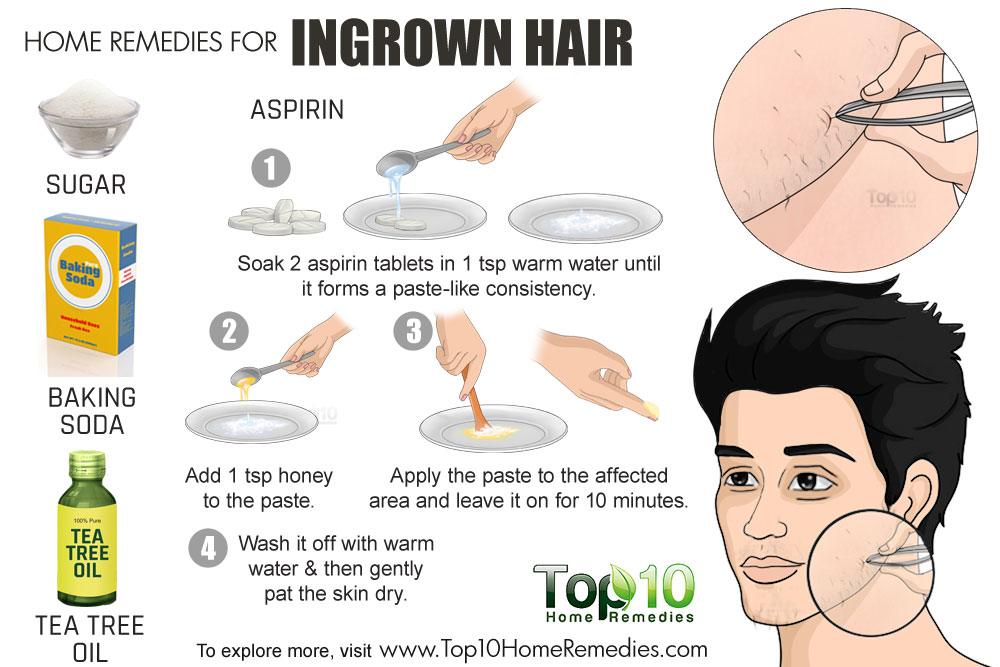
Ingrown Hair? Heres How to Handle It

Table Of Content Pseudofolliculitis barbae Can You Prevent a Deep Ingrown Hair? How to Treat Ingrown Hairs Laser Hair Removal Frequently ask...